
Archive for October 2026
Fifty Years of AI in Medicine: The Reasoning Got Cheap, the Data Didn’t
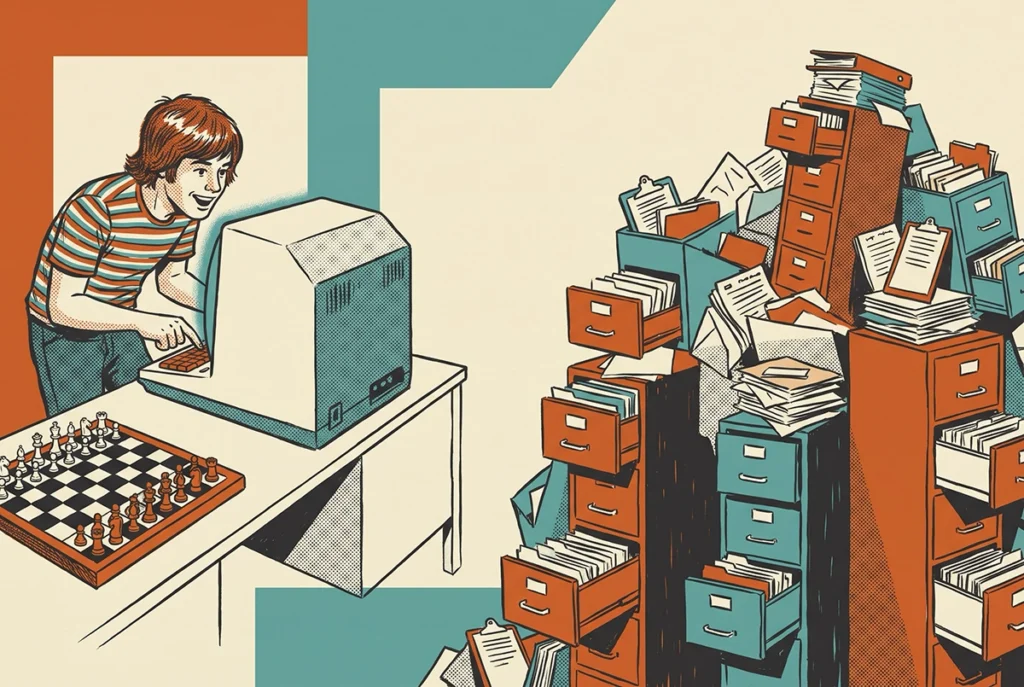
In 1973, Charlie Safran, a logician from Tufts, went to MIT and started programming for a medical decision-making group. The group expected a computer-based doctor that could pass the Turing test by the year 2000. He doesn’t think the bet was crazy for its time. “I didn’t really understand what a doctor does,” he told…
Read MoreSix Conversations In: Where Healthcare AI Actually Is

Six conversations into Season 2, Steve and Leon sat down to ask what those conversations added up to. Both landed in the same place. Leon: “We’re a little bit past the dizzy and excitement of like, ‘Oh my God, it’s AI,’ and a little bit more deeply into implementation and applications.” Steve put it on…
Read MoreWhat a Pair of Glasses Adds to an Autism Evaluation
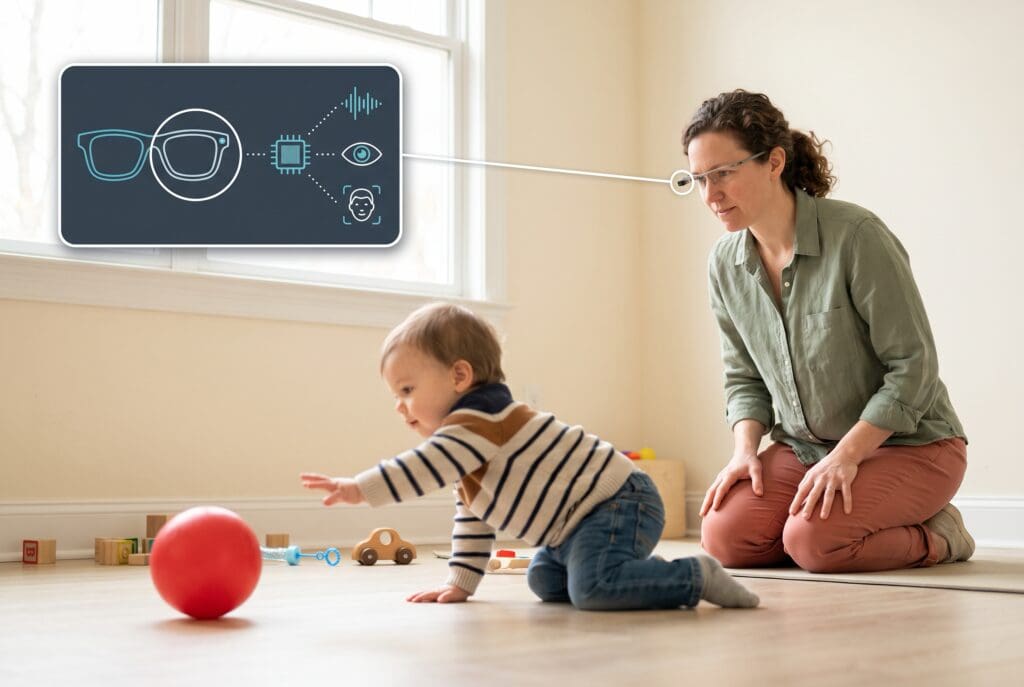
A family that suspects autism usually starts at the pediatrician. From there, Erica Crawford told us, they get sent to early intervention, which offers services but no diagnosis, then back to the pediatrician, then into a choice between the school, a private psychologist, and a children’s hospital, each with its own limits and its own…
Read MoreNature Has Been Running the Experiment We Can’t

Ninety-five percent of drug targets fail. Peter Donnelly, CEO and co-founder of Genomics, puts it down to one gap: “we really don’t understand human biology very well.” Most of science learns by experiment. Human biology mostly can’t, so drug hypotheses get built on animals and cell models that often don’t behave like whole people. Genetics…
Read More